
Views: 0 Author: Site Editor Publish Time: 2025-11-05 Origin: Site
Author: Kevin Chen, Procurement Specialist at YQ Food Container
Date Published: November 5, 2025
Last Updated: November 5, 2025
Introduction
In the global food-service industry, disposable plastic cups remain indispensable for chain restaurants, cafés, beverage outlets, and wholesale distributors. As demand continues to grow across North America, Europe, Australia, and the Middle East, procurement professionals face increasing pressure to find suppliers who meet multiple standards—food-grade materials, reliable export capability, competitive pricing, and stable delivery schedules.
This guide aims to help B2B buyers evaluate and select the most suitable plastic cup manufacturers. We list ten trusted suppliers, outline key selection criteria, and offer region-specific sourcing insights—all to ensure you invest in the right supplier, not merely the cheapest one.

________________________________________
What Makes a Reliable Plastic Cup Manufacturer?
Materials and Food-Safety Standards
When sourcing plastic cups for food service, material choice is crucial. The most common plastics are:
• PET (Polyethylene Terephthalate): Used for clear cold-drink cups.
• PP (Polypropylene): Offers good heat resistance (often used for lids).
• PS (Polystyrene): Used for rigid cold-drink cups.
In terms of food safety, manufacturers should provide testing reports that comply with global food-contact standards—an advantage for cross-market compatibility. Some regions require additional compliance certificates to meet local regulations. Choosing suppliers that can provide these certifications will help ensure smooth customs clearance and reduce regulatory risk.
________________________________________
Production Capacity and Customization
Production volume, lead time, and customization flexibility are key factors. A reliable manufacturer should support:
• Large-volume orders for chain restaurants or wholesalers.
• OEM/ODM printing for custom logos, branding, and color options.
• Cup-lid compatibility if you plan to sell matching sets.
Always confirm the minimum order quantity (MOQ), sample availability, mold/tooling fees, and lead time for new SKUs to avoid miscommunication.
________________________________________
Export Capability and Regional Adaptability
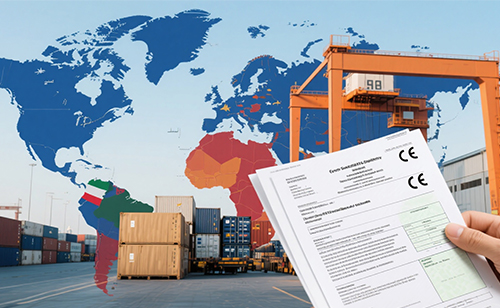
Since many businesses operate across multiple regions (Europe, North America, Australia, the Middle East, etc.), your supplier must be experienced in international logistics, certifications, and export documentation. For example:
• Does the factory provide export documents such as Certificates of Origin, CE marking, or customs documentation?
• Can they ship to your regional warehouse or distributor to shorten lead times?
Choosing a manufacturer with proven export experience reduces risks of customs delays and supply interruptions.
________________________________________
Supply-Chain Resilience and Contingency Planning
A dependable supplier demonstrates supply-chain resilience—stable raw-material sourcing, backup production lines, and emergency stock. Given the fluctuations in resin prices and global shipping schedules, it’s wise to ask how the factory manages production delays, demand surges, or regulatory changes.
________________________________________
Top 10 Plastic Cup Manufacturers for the Food-Service Industry
Below is a curated list of global manufacturers known for their strong reputations, export capabilities, and suitability for food-service buyers.
________________________________________
1. YQ Food Container (China)
YQ Food Container specializes in disposable plastic food containers and cups, serving global chain restaurants, wholesalers, and importers. With multiple production lines, OEM/ODM printing services, and exports to over 20 countries, YQ provides exceptional value for buyers seeking competitive pricing and complete export documentation.
Strengths: High-volume capacity, cup-and-lid compatibility, sample support, tailored for global markets.
Best for: Buyers sourcing from China who need large orders with customized branding.
________________________________________
2. Dart Container Corporation (USA)
Dart is one of the largest U.S. manufacturers of disposable cups and lids, offering fast North American distribution, strict regulatory compliance, and strong brand credibility.
Strengths: Local inventory, short restocking cycles, market trust.
Best for: Buyers based in North America seeking domestic suppliers with minimal import logistics.
________________________________________
3. Huhtamäki Oyj (Finland)
Huhtamäki is a leading European packaging company with a strong presence in Europe and the Middle East. It offers comprehensive food-service packaging solutions, EU Regulation (10/2011) compliance, and a well-established logistics network.
Strengths: EU-compliant, multi-region coverage, sustainability focus.
Best for: European or Middle Eastern buyers prioritizing certified suppliers and regional logistics.
________________________________________
4. Pactiv Evergreen (USA/Global)
Pactiv provides a wide range of disposable cups, lids, and containers globally—ideal for businesses seeking one-stop sourcing of multiple disposable products.
Strengths: Comprehensive catalogue, integrated solutions.
Best for: Chain restaurants and wholesalers purchasing a variety of disposable items.
________________________________________
5. Fabri-Kal (USA)
Fabri-Kal specializes in PET and PP cups for beverage-focused operations such as smoothie and iced-tea chains.
Strengths: Custom sizes, diverse materials, beverage-oriented design.
Best for: Beverage chains requiring dome lids, PP lids, or brand customization.
________________________________________
6. Detpak (Australia / APAC)
Part of the Detmold Group, Detpak focuses on takeaway packaging across Australia and the Asia-Pacific region, serving cafés and restaurants.
Strengths: Regional logistics, deep APAC market knowledge.
Best for: Australian buyers or importers distributing within APAC or the Middle East.
________________________________________
7. Kian Joo Group (Malaysia / Southeast Asia)
Kian Joo Group offers cost-effective packaging solutions for Southeast Asia and export markets.
Strengths: Competitive pricing, export reach to the Middle East and Asia.
Best for: High-volume, cost-sensitive buyers with limited branding needs.
________________________________________
8. Taizhou HuangyanHengfeng Plastics Co., Ltd. (China)
A Chinese OEM specialist providing standard cup SKUs at low unit prices and high volumes.
Strengths: High output, cost competitiveness.
Best for: Buyers focusing on bulk procurement where customization is less critical.
________________________________________
9. Zhiben Environmental Technology Co., Ltd. (China)
Zhiben manufactures rPET and PLA cups, catering to customers exploring recycled or bio-based materials.
Strengths: Recycled/bioplastic options, solid export experience.
Best for: Buyers with sustainability initiatives seeking eco-transition suppliers.
________________________________________
10. Changya New Material Technology Co., Ltd. (China)
An export-oriented manufacturer experienced in handling international shipments to Australia, the Middle East, and beyond.
Strengths: Fully prepared export documentation, advanced logistics experience.
Best for: Overseas importers or wholesalers needing end-to-end export support.
________________________________________
How to Choose the Right Supplier: A Buyer’s Checklist
To turn supplier selection from guesswork into a structured process, follow this checklist:
1. Define your product application
o Cold, hot, or multi-temperature use.
o Common cup sizes (8 oz, 12 oz, 16 oz, etc.).
o Lid type: flat, dome, or stackable for take-away.
2. Request regulatory and compliance documents
o FDA compliance (for U.S. market).
o EU Declaration of Compliance (Reg. 10/2011).
o Local importer requirements (Australia, GCC / Middle East).
3. Obtain and test samples
o Check stackability, lid fit, clarity, and print quality.
o Simulate real-world use (condensation, vibration, warehouse storage).
4. Clarify MOQ, tooling fees, and pricing tiers
o Negotiate sample cost deduction for bulk orders if possible.
o Confirm freight, duty, and packaging conditions.
5. Evaluate supply-chain risks and lead times
o Ask about backup production lines or buffer inventory.
o Verify shipping time to your regional warehouse or distributor.
6. Negotiate terms and quality acceptance
o Define acceptance criteria, defect rate, and return policy.
o Include service and logistics clauses in repeat-order contracts.
7. Plan for long-term cooperation
o Establish forecast volumes, seasonal surges, and price-review mechanisms.
o Maintain a dynamic relationship—repeat orders build trust and reduce costs.
________________________________________
Regional Sourcing Insights
Europe:
Prioritize suppliers providing Declarations of Compliance under EU Regulation No. 10/2011 and capable of shipping directly to EU warehouses. Keep track of REACH regulations and recycled-content trends.
North America:
Local suppliers like Dart or Fabri-Kal offer the fastest turnaround. If importing, verify full FDA food-contact compliance.
Australia / APAC:
Regional suppliers such as Detpak reduce transit time and customs uncertainty. Evaluate broader APAC supply-chain resilience.
Middle East:
Importers should check GCC customs documentation and ensure suppliers understand local compliance norms (e.g., halal segregation if required). Experience with Middle East exports is a key advantage.
________________________________________
Key Industry Trends Buyers Should Know
• Despite the rise of paper alternatives, the plastic cup market remains strong in food service. According to Grand View Research, consistent demand from chain restaurants, cafés, and delivery services continues to support growth.
• Regulatory pressure is intensifying: Packaging chemicals such as certain plasticizers and PFAS are under increasing global scrutiny. Buyers must ensure their suppliers stay updated on regulatory developments.
• Design optimization and cost efficiency are becoming core differentiators—lightweighting, resin reduction, improved lid interface design, and agile logistics separate leading manufacturers from competitors.
________________________________________
Conclusion and Next Steps
Choosing the right plastic-cup supplier is a strategic decision, not merely a cost comparison. Buyers must evaluate material safety, production capacity, export logistics, customization services, and long-term reliability.
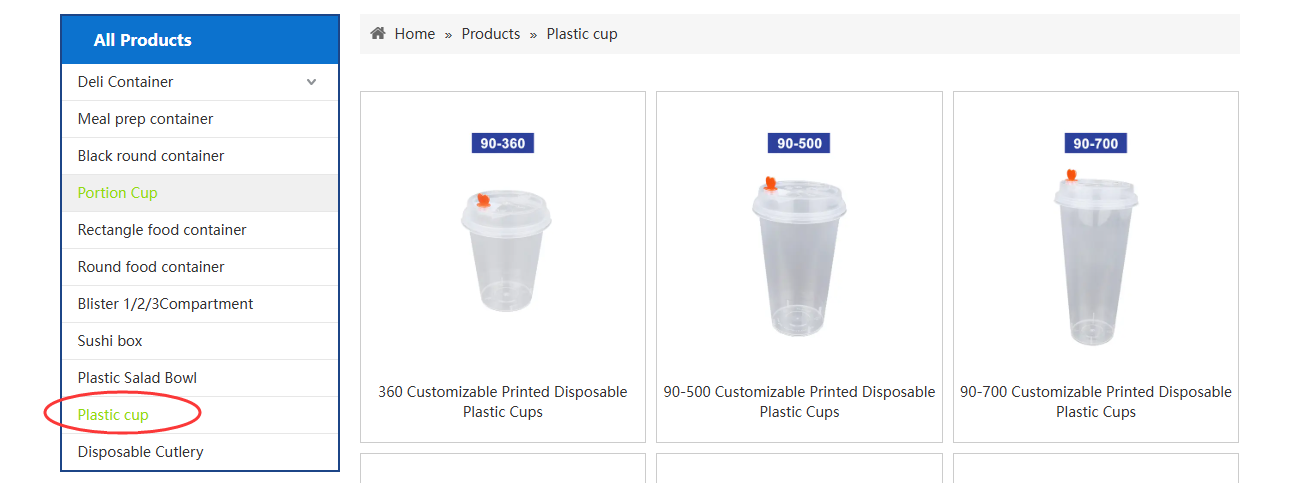
If you are ready to request sample packs, custom quotations, or compare OEM/ODM solutions, feel free to contact YQ Food Container (see our Plastic Cup Product Page).
By partnering with a trusted supplier that meets your regional standards, logistics needs, and branding requirements, you can secure a stable supply chain and empower your food-service business growth.