
Views: 0 Author: Site Editor Publish Time: 2025-11-14 Origin: Site
By Chen Kaiwen – Senior Packaging Consultant, YQ Food Container
Published: November 2025 | Last Updated: November 2025
Introduction
As catering and delivery businesses continue to grow worldwide, the demand for reliable, practical, and cost-effective meal prep containers has never been higher.
From cloud kitchens to corporate catering and large restaurant chains, the right packaging solution directly affects operational efficiency, food quality, and customer satisfaction.
At YQ Food Container, we’ve worked with hundreds of international food service brands across Europe, North America, Australia, and the Middle East — helping them optimize their takeaway and catering operations through durable, microwave-safe, and export-compliant food packaging.
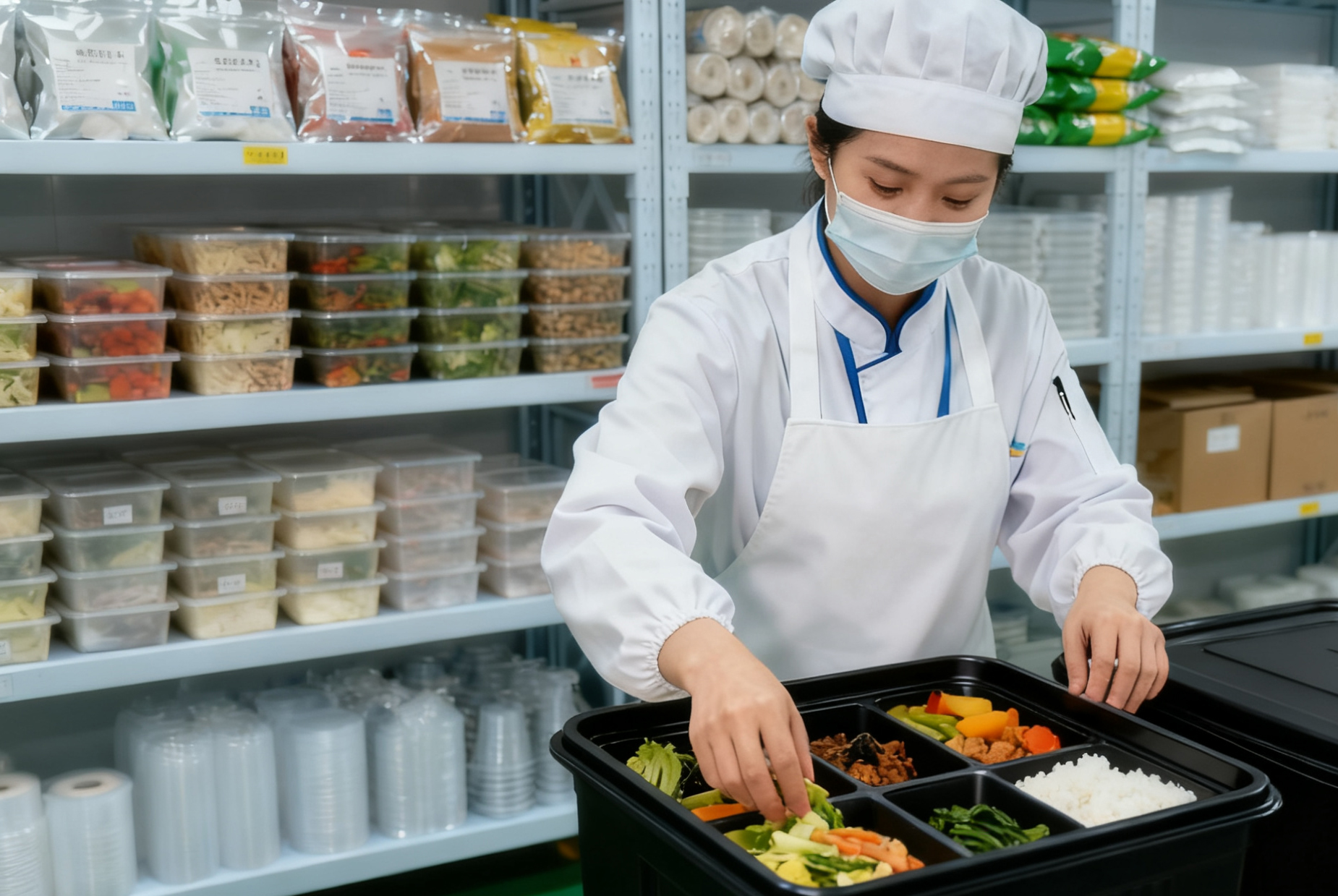
What Makes a Good Meal Prep Container?
1. Material Safety and Durability
A high-quality meal prep container must be both heat- and impact-resistant.
Among common materials, Polypropylene (PP) stands out for its balance of durability, microwave compatibility, and recyclability.
PP containers can handle temperatures from -20°C to +120°C.
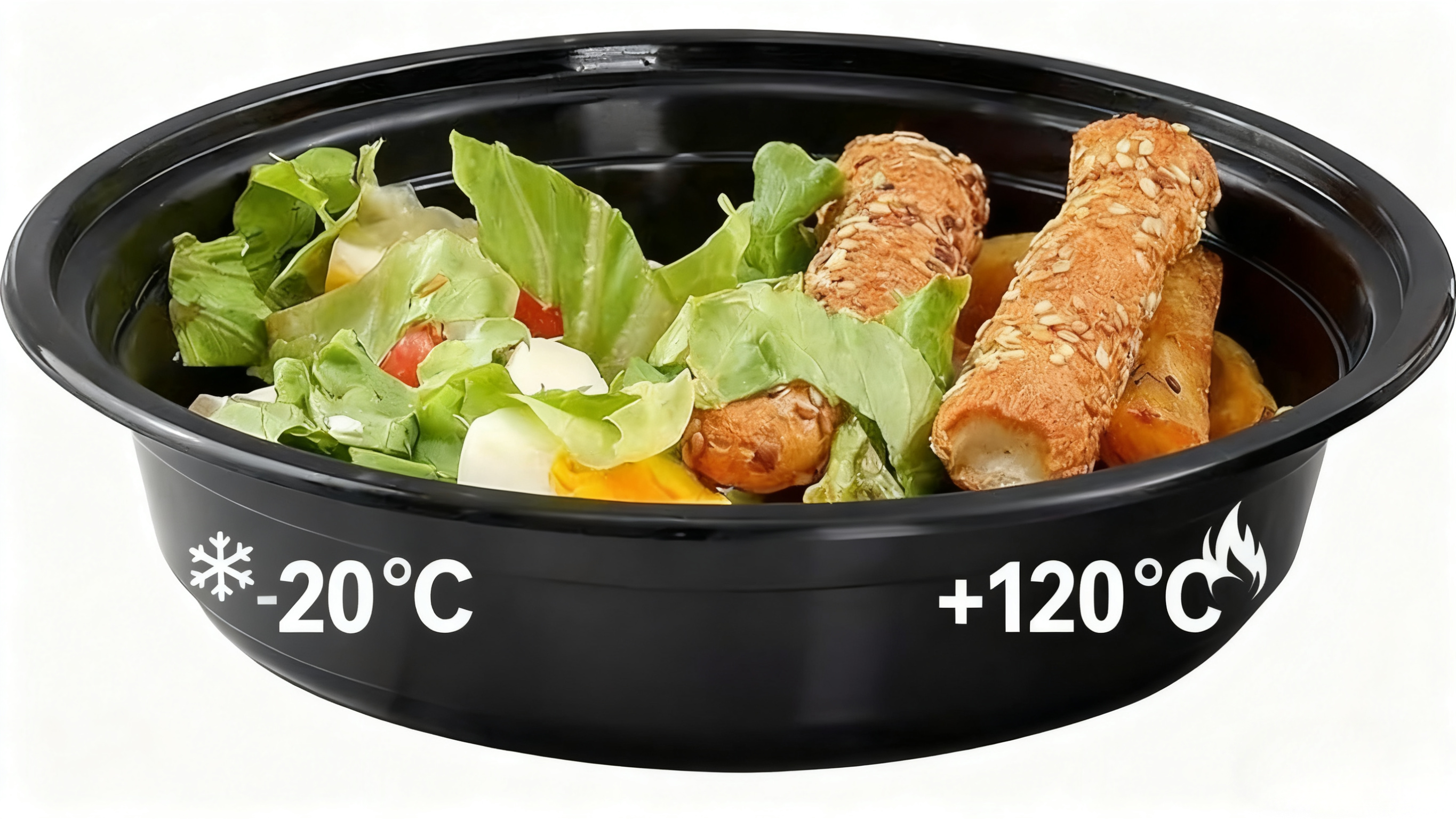
They are ideal for hot meals, cold salads, and refrigerated storage.
They meet FDA and EU food contact safety standards.
Source: U.S. FDA Food Contact Materials Guidelines; EU Regulation No. 10/2011.
2. Leak-Proof and Secure Lid Design
In delivery and catering operations, leakage is one of the most common complaints.
Containers should feature snap-lock or clamshell-style lids that prevent spills during transport.
A tight-fitting lid also helps preserve moisture and freshness, reducing the need for additional wrapping or sealing tapes.
3. Stackability and Space Efficiency
Catering kitchens and delivery services often deal with limited workspace.
Stackable containers maximize storage efficiency and reduce clutter, especially during peak operation hours or event catering.
Best Container Types for Meal Prep Businesses
1. 1-Compartment Containers
Ideal for simple meal portions such as pasta, rice bowls, or single-protein dishes.
These are popular in corporate lunch programs and fitness meal plans.
2. 2-Compartment Containers
Designed for balanced meals — for example, proteins and sides separated to maintain flavor.
They’re widely used by meal prep delivery services and hospital cafeterias.
3. 3-Compartment Containers
The top choice for catering services serving full-course meals (main, side, salad).
They improve presentation and portion control while keeping ingredients intact.
Microwave Safe and Freezer Friendly Options
Versatility is key for catering and delivery. Containers that move easily between freezer, microwave, and delivery save both time and labor.
Polypropylene (PP) containers are ideal for this — they resist cracking in freezing conditions and maintain shape during reheating.
For oven-ready meals, CPET (Crystalline PET) is recommended, as it withstands higher temperatures (up to 200°C / 392°F).
Cost Efficiency and Bulk Purchasing
Buying meal prep containers in bulk not only reduces per-unit cost but also ensures packaging consistency.
When working with overseas suppliers, consider:
MOQ (Minimum Order Quantity) requirements
Lead time and logistics (especially for Europe, North America, Australia, and the Middle East)
Custom branding options such as embossed logos or printed sleeves
YQ Food Container, for example, maintains 200+ existing molds to support OEM and custom production, offering global clients both flexibility and speed.
Catering vs. Delivery: Which Containers Work Best?
Use Case | Recommended Container Type | Key Benefit |
Event Catering | 3-compartment PP trays with clear lids | Elegant presentation, easy reheating |
Corporate Lunch Service | 2-compartment meal prep containers | Balanced portion control |
Online Meal Delivery | 1-compartment microwave-safe bowls | Compact, leak-proof, cost-efficient |
Frozen Meal Distribution | CPET containers | Freezer-to-oven safe |
Buffet Refill & Takeaway | Deep rectangular PP containers | Stackable, suitable for bulk servings |
Sustainability Considerations
While plastic containers often raise environmental concerns, modern light-weighted PP designs reduce plastic usage by 10–15% while maintaining durability.
All PP containers are recyclable under Resin Code #5, making them an environmentally responsible choice for large-scale food operations.
Reference: European Plastics Recyclers Report (2024).
Regional Market Insights
North America
Strong demand for microwave safe meal prep containers from cloud kitchens and fitness brands. Bulk importers value FDA-certified PP materials.
Europe
Emphasis on eco-friendly packaging and reusability certifications. Importers often seek recyclable PP containers with CE and LFGB compliance.
Australia
Meal delivery startups and health-food brands favor leak-proof, portion-sized containers with strong branding potential.
Middle East
Catering to temperature extremes, PP and CPET containers are preferred for both hot and chilled dishes in the region’s growing takeaway economy.
Conclusion
Selecting the right meal prep container can transform your catering and delivery workflow — improving efficiency, minimizing waste, and elevating your brand image.
When sourcing globally, partner with an experienced manufacturer who understands material compliance, export logistics, and custom branding needs.
YQ Food Container offers one-stop solutions with full customization, fast delivery, and over a decade of export experience.
Explore Our Meal Prep Container Range
Request a Free Sample or Bulk Quote
Internal Links
Microwave Safe Bowls for Efficient Meal Prep
Plastic Containers for Food Delivery Businesses
References
FDA Food Contact Materials Regulation (21 CFR 177.1520)
EU Regulation No. 10/2011 on Plastic Materials Intended for Food Contact
Restaurant Business Online (2024): “Packaging Efficiency in Catering Operations”
Global Packaging Insights (2025): “Trends in Meal Prep and Delivery Packaging”
European Plastics Recyclers Report (2024)