
Views: 0 Author: Site Editor Publish Time: 2025-11-06 Origin: Site
By Chen Kaiwen – Procurement & Packaging Specialist, YQ Food Container
Published: November 2025
Introduction
For café chains and beverage brands, choosing the right cup is no longer a trivial purchase decision. The type of cup you select—plastic or paper—affects not only cost and logistics but also how customers perceive your brand’s quality and sustainability.
As someone who has worked with hundreds of café operators in Europe, North America, Australia and the Middle East, I have seen how this single decision can influence profitability, supply reliability, and even franchise image. This article takes a realistic look at plastic cups vs paper cups, helping café owners and purchasing managers make informed, region-specific choices.

1. What Makes Plastic and Paper Cups Different?
Material Foundations
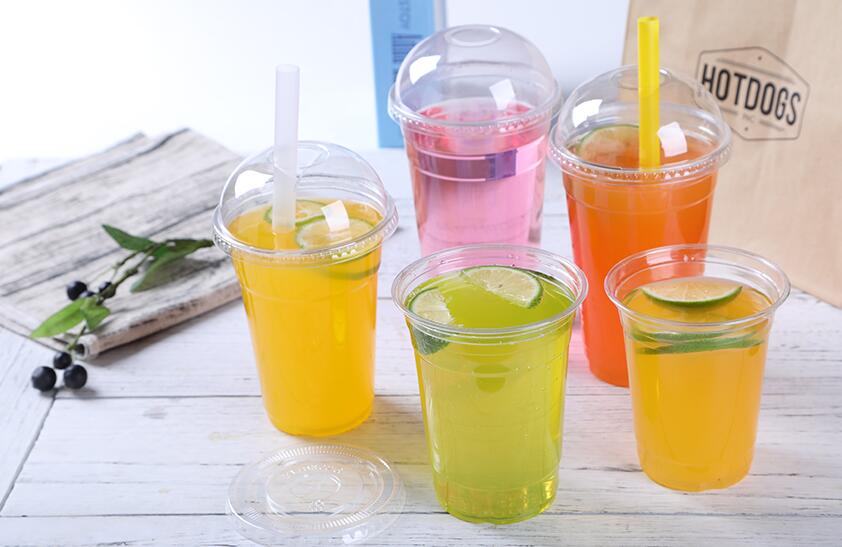
Plastic cups are typically made from PET (polyethylene terephthalate) or PP (polypropylene). They are produced through injection moulding or thermoforming—methods that ensure precise shapes, clarity and strong stackability.
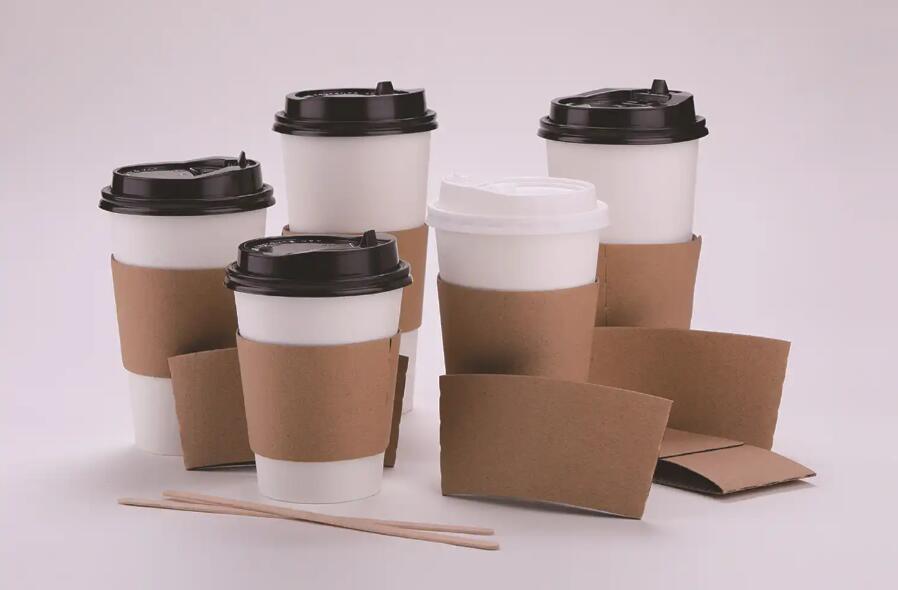
Paper cups, on the other hand, are made from coated paperboard. To hold liquid safely, the inner layer is lined with PE (polyethylene) or PLA (polylactic acid). This coating prevents leaks but makes recycling more complex.
Independent life-cycle research by Huhtamäki and VTT Technical Research Centre of Finland shows that paper cups can achieve a lower carbon footprint only when properly recycled. However, recycling infrastructure for coated paper remains limited in many markets.
(Huhtamaki LCA Report)
2. Cost, Performance & Brand Perception
From a procurement perspective, plastic cups generally offer lower cost per unit for large-volume café chains. Injection moulded plastic cups can be produced in massive quantities with short lead times, which is a strength for factories like ours at YQ Food Container, operating 200 sets of moulds and serving global clients.
Plastic cups excel in:
Clarity – ideal for iced beverages and layered drinks;
Lid fit & seal – critical for take-away and delivery;
Stacking efficiency – saves storage space;
Durability – resists leaks and deformation.
Paper cups appeal to cafés aiming for an eco-friendly image, and their printable surface allows strong branding. Yet, in day-to-day operations, they are more suitable for hot drinks or short-distance service, where leakage, condensation and transparency are less critical.
According to an industry analysis by Ascent Packaging, manufacturing paper cups can consume 42 % more water and 17 % more energy than comparable plastic cups.
(Ascent Packaging Report)
3. Environmental & Regulatory Considerations
Today’s café supply decisions also face growing environmental regulations. The EU Single-Use Plastics Directive, state-level bans in North America and packaging laws in Australia and GCC countries are redefining acceptable materials.
Still, it’s important to look beyond slogans. Research from the University of Gothenburg found that both paper and plastic cups can release micro-pollutants into aquatic environments; paper coatings are not always harmless.
(University of Gothenburg Study)
For café chains, the practical path forward often lies in improving recyclability and choosing responsible suppliers, rather than abandoning one material completely.
4. Evaluating the Right Option for Your Business
Step 1 – Define Use Case
Are you serving cold drinks, smoothies, or hot coffee? PET cups shine in displaying beverage layers; PP cups can handle moderate heat; paper cups remain better for steaming-hot drinks.
Step 2 – Assess Volume and Budget
High-volume buyers benefit from economies of scale. Plastic-cup tooling amortizes quickly across regions. For smaller cafés, local paper-cup sourcing may reduce upfront logistics but often raises unit cost.
Step 3 – Check Quality and Supplier Reliability
A reliable supplier ensures consistent lid fit, cup thickness and delivery timing. At YQ Food Container, every export batch is tested for seal integrity, stacking load and microwave performance before shipment.
Step 4 – Plan for Sustainability
Evaluate realistic end-of-life scenarios in your region. Europe and Australia are strengthening recycling systems for PP and PET. In regions with poor paper-cup recycling, a lightweight recyclable plastic cup might actually achieve a lower environmental impact.
5. Regional Procurement Insights
Europe
Strict regulations on single-use plastics mean documentation is key. Choose certified food-contact plastics and work with exporters familiar with EU declarations of conformity.
North America
Café chains value supply stability. Plastic cups shipped from Asia can still be competitive if supported by US-based warehouses or bonded logistics partners.
Australia & Asia-Pacific
Longer transit routes make delivery reliability critical. Many Australian café chains balance local paper-cup sourcing for hot beverages with imported PET cups for cold drinks.
Middle East
High ambient temperatures demand strong cup rigidity and leak resistance. Our clients in Dubai and Saudi Arabia often select thicker PET cups with tight-fit lids to handle long-distance deliveries.
6. Comparison at a Glance
Feature | Plastic Cups | Paper Cups |
Unit Cost | Lower for mass orders | Higher due to coating & print setup |
Transparency | Crystal clear, premium presentation | Opaque surface |
Heat Resistance | Moderate (PP) – not for boiling liquids | High – ideal for hot drinks |
Storage & Stacking | Excellent stack fit & rigidity | Moderate – may warp with humidity |
Sustainability | Recyclable in PP/PET streams if available | Marketed as eco-friendly but often hard to recycle |
Brand Image | Modern & transparent | Natural & eco-styled |
7. Expert Recommendation
For café chains operating in multiple continents, a dual-material strategy works best:
Use plastic cups (PET or PP) for cold drinks and high-volume operations where clarity and cost efficiency matter.
Use paper cups for hot drinks and markets with strong eco-marketing demand.
Upgrade sustainability through design: lightweight plastic, recycled resin, and compliance certificates from your supplier.
At YQ Food Container, we manufacture a full range of injection-moulded cups in sizes from 6 oz to 32 oz, custom-branded and export-ready for Europe, North America, Australia and the Middle East.
Conclusion
There is no single “winner” between plastic and paper cups. The best solution depends on your café’s menu, brand positioning, and regional regulations. What truly matters is fit for purpose—achieving consistent quality, safe delivery and a brand image that matches customer expectations.
By partnering with an experienced manufacturer who understands both production and international logistics, café chains can achieve the right balance between cost, compliance and sustainability.
If you are planning to source cups for your café chain or looking for custom OEM options, contact us for a sample pack or consultation.
Suggested Internal Links
Explore our Plastic Cup Range
Learn about YQ Manufacturing Capabilities
External References
Huhtamäki LCA Study – Paper cups’ carbon footprint results (huhtamaki.com)
University of Gothenburg – Toxic effects of paper cup coatings (gu.se)
Ascent Packaging – Manufacturing impact comparison (ascentpak.com)