
Views: 0 Author: Site Editor Publish Time: 2025-11-05 Origin: Site
By Chen Kaiwen – Procurement & Packaging Specialist, YQ Food Container
Published: November 5, 2025. Last Updated: November 5, 2025.
Introduction
Summary:
The right deli containers are essential for any takeaway business—they ensure food quality, presentation, and operational efficiency. Whether you manage a restaurant chain, a supermarket deli, or a delivery service, choosing the right container involves balancing price, capacity, and quality. This guide helps you find the best deli containers for your business in Europe, North America, Australia, and the Middle East.
In the fast-paced food service industry, packaging is often the final touchpoint between your kitchen and the customer. A well-selected deli container keeps cooked food intact and prevents leakage during delivery. For international procurement managers, attention to detail during product evaluation is critical to ensure smooth usage and customer satisfaction.

What Defines a Quality Deli Container?
Materials & Food-Contact Compliance
Summary:
Understanding plastic materials is fundamental—commonly used ones include PP (polypropylene), PET (polyethylene terephthalate), and PS (polystyrene). Testing and certifications should always be verified.
Reputable manufacturers perform performance and functionality tests such as microwave safety, refrigeration durability, leak resistance, lid fit, and stackability.
Ensure suppliers provide documentation like FDA, LFGB, or EU food-contact certifications. Compliance ensures your containers are safe for food contact and globally exportable.
Size, Shape & Portion Matching
Summary:
Container size, shape, and volume alignment should solve your practical menu and packaging needs.
Industry size guides indicate that standard deli containers range from 8 oz to 32 oz:
8–12 oz – perfect for sides or single servings
16–24 oz – suitable for soups or salads
32 oz – ideal for family-size or bulk orders
Shape also plays a role. If you currently use only round containers, consider adding square or rectangular designs to improve stacking, presentation, and storage efficiency.
Evaluate lid seal quality, stacking height, and overall appearance, especially if products are displayed or delivered directly to consumers.
Leak-Proofing & Transit Performance
Summary:
In takeaway and delivery operations, leak resistance and durability during transportation directly affect customer experience and return rates.
A good container should be tested under real operating conditions—not extreme stress. Lids must fit tightly, especially for thick sauces, hot liquids, or long-distance delivery.
Equally important is storage and stacking efficiency—stackable designs reduce kitchen space requirements and improve workflow.
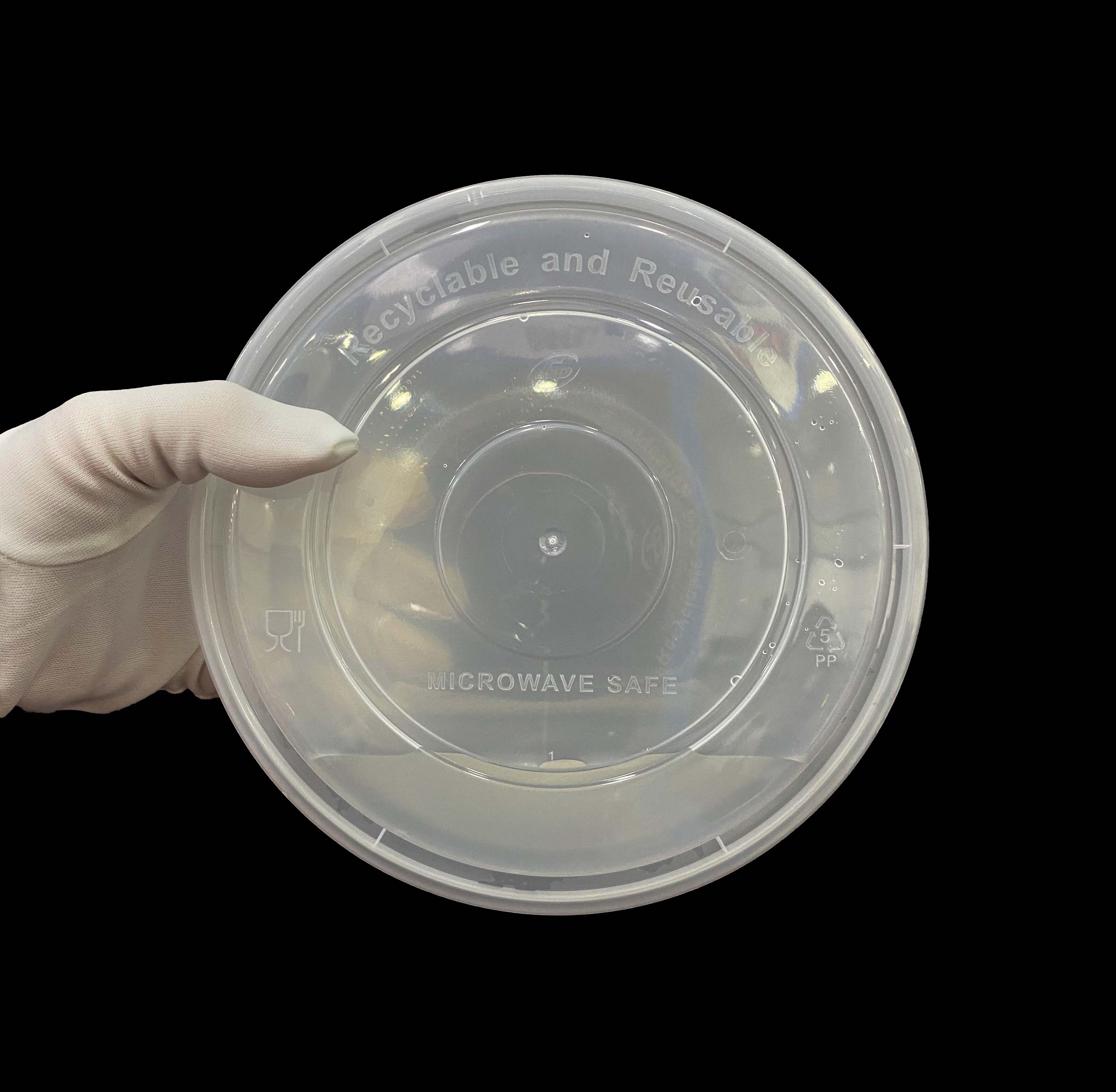
A Step-by-Step Guide for Procurement Managers
Summary:
Here’s a practical checklist to evaluate deli containers before bulk purchasing.
Define your use cases – Are you packaging sides or full meals? Each requires different container materials, sizes, and lids.
Request product specifications and samples – Always compare samples from multiple suppliers for accurate assessment of size, clarity, and durability.
Negotiate minimum order quantities (MOQs) and pricing tiers – Smaller businesses may need flexible MOQs; larger buyers can leverage scale for cost savings.
Evaluate logistics and lead time – Ensure your supplier has export experience, can deliver on schedule, and manages customs documentation efficiently.
Brand customization – Adding logos, colors, or unique designs may involve additional tooling costs and negotiation. Experienced suppliers can streamline this process and confirm lead times clearly.
Regional Sourcing Strategies
Summary:
Tips for sourcing deli containers efficiently across major regions.
Europe: Prioritize suppliers with proven export history and several years of operation. EU-compliant documentation is a must.
North America: Suppliers with U.S. warehouses can shorten lead times and simplify frequent restocking.
Australia / APAC: Proximity often favors Asian suppliers—consider transit time, customs requirements, and market demand.
Middle East: Pay attention to climate challenges (heat and humidity) and longer transport distances. Ensure suppliers understand GCC customs, documentation, and regional expectations.
Conclusion & Call to Action
Summary:
Choosing the right deli container is not simply about finding the lowest price—it’s about aligning materials, sizes, performance, logistics, and branding with your actual business operations. For deli and takeaway businesses across Europe, North America, Australia, and the Middle East, a structured selection process minimizes waste, ensures customer satisfaction, and strengthens brand reputation.
If you are currently evaluating suppliers or would like to test product samples for your takeaway business, YQ Food Container offers a wide range of customizable deli containers with proven export experience and dedicated support.
Contact us today to request MOQs, sample packs, or export plans.
Internal Links (Suggested)